LiveRamp Data Collaboration and AdTech

Identity Resolution and Match Methods
Design Sprint
Iterative Feature Design
February 2023 - March 2025
Machine Learning Matching
Results, Feedback, Retrospective
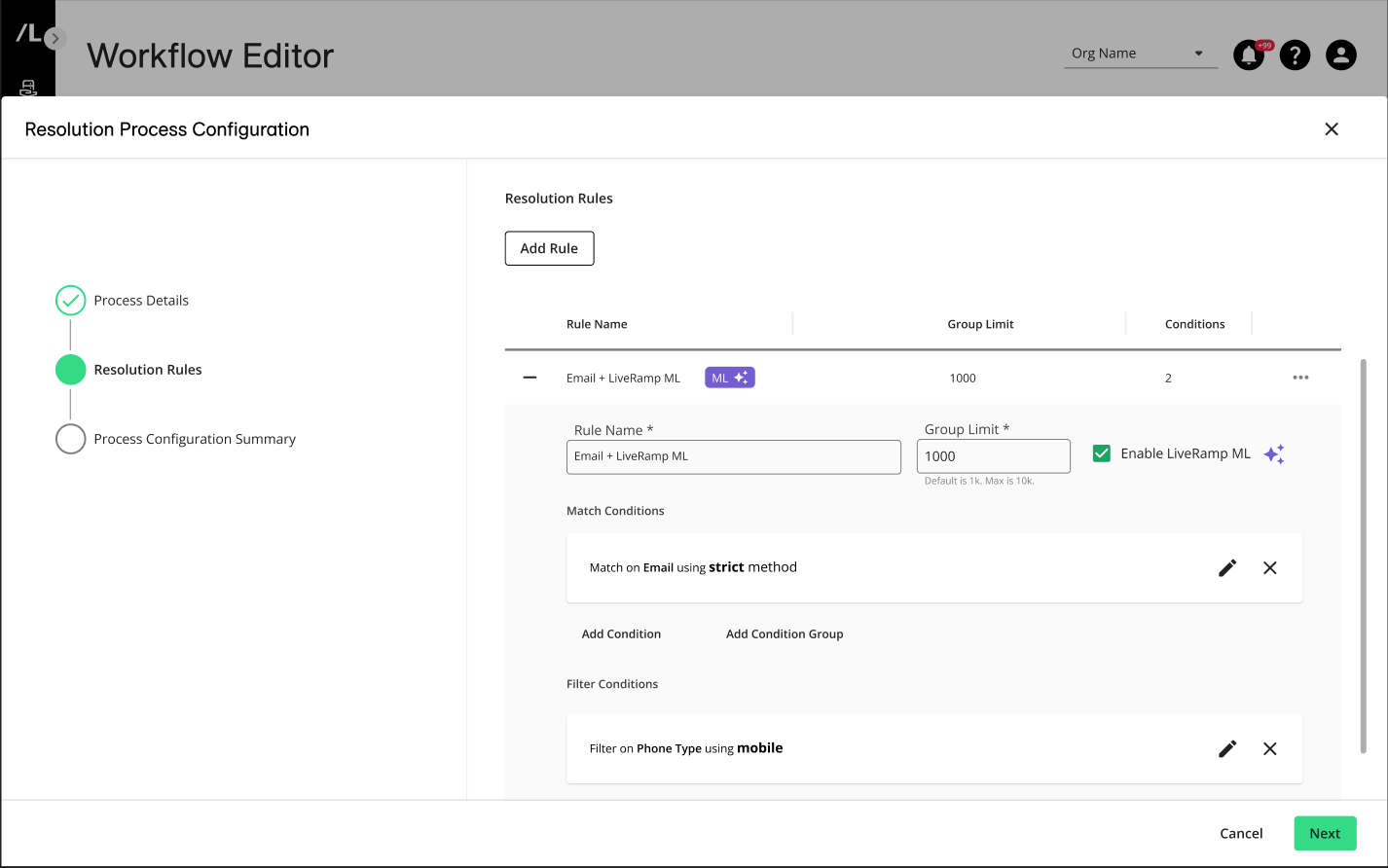


Identity Engine - Resolution Rules + Machine Learning
Identity Resolution and Identity Graphs
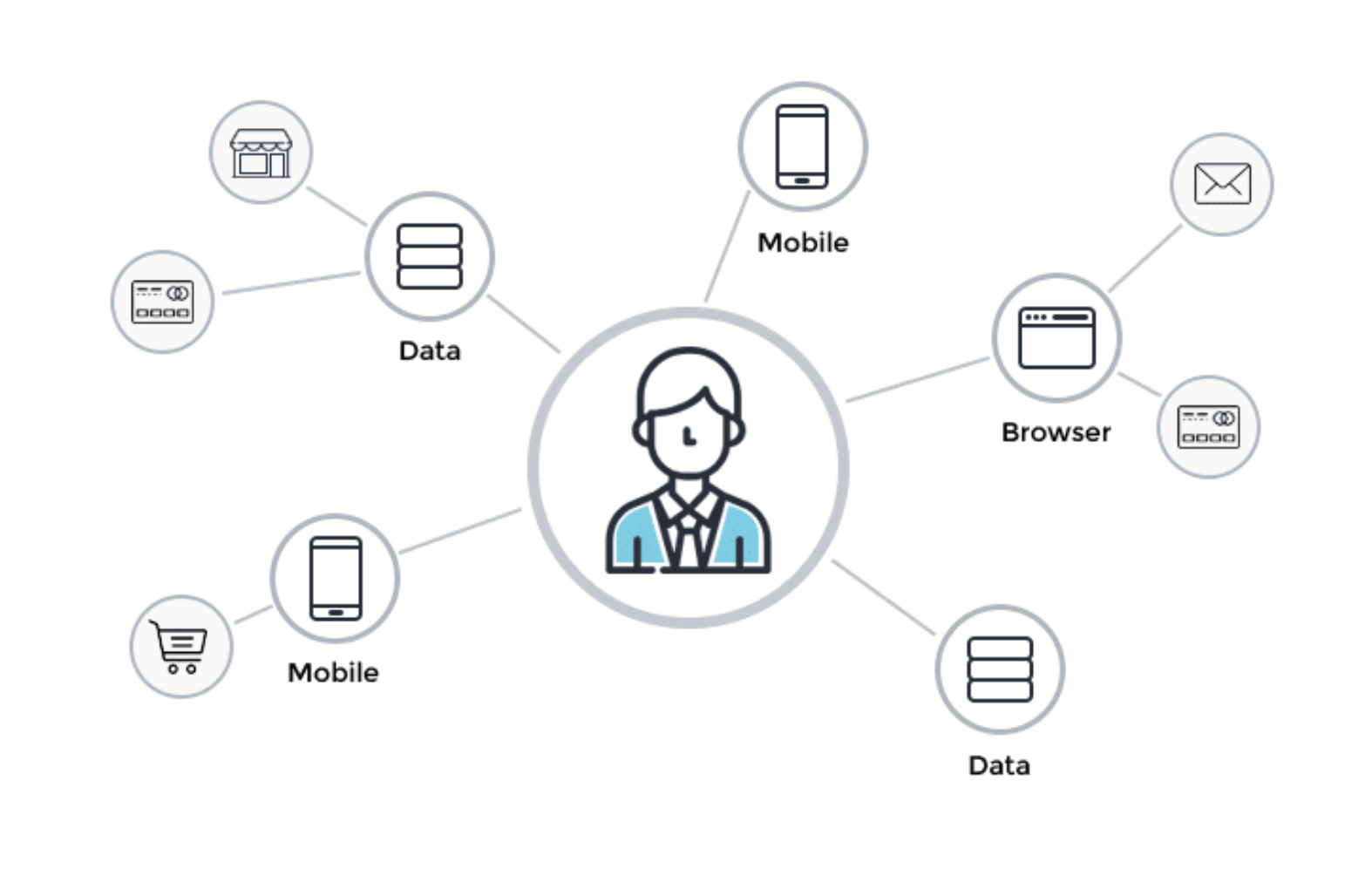
The process of matching and linking customer records from disparate sources is called identity resolution. the output of Identity Resolution is an Identity Graph.
Various elements of data are clustered around a universal identifier.
Problem Statement
Resolution Rule Flexibility
Any single match method would match a limited number of records, so good resolution requires the ability to mix methods in tandem.
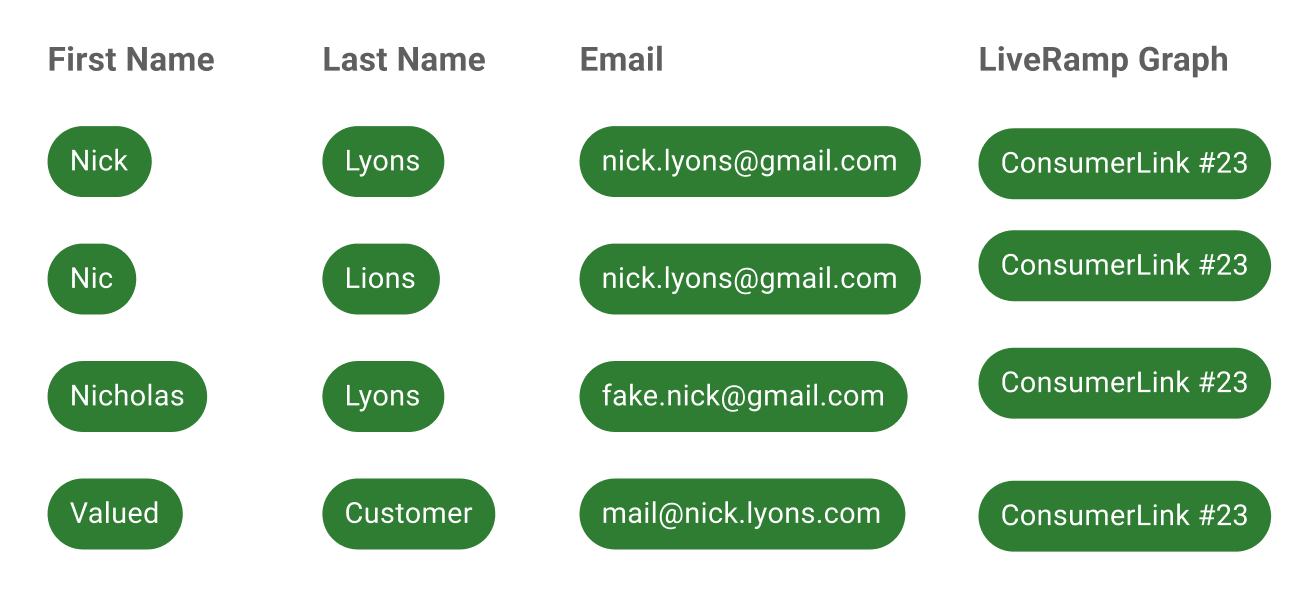
Users must have some level of technical knowledge to define resolution rules, utilizing various codebases.
Design Sprint
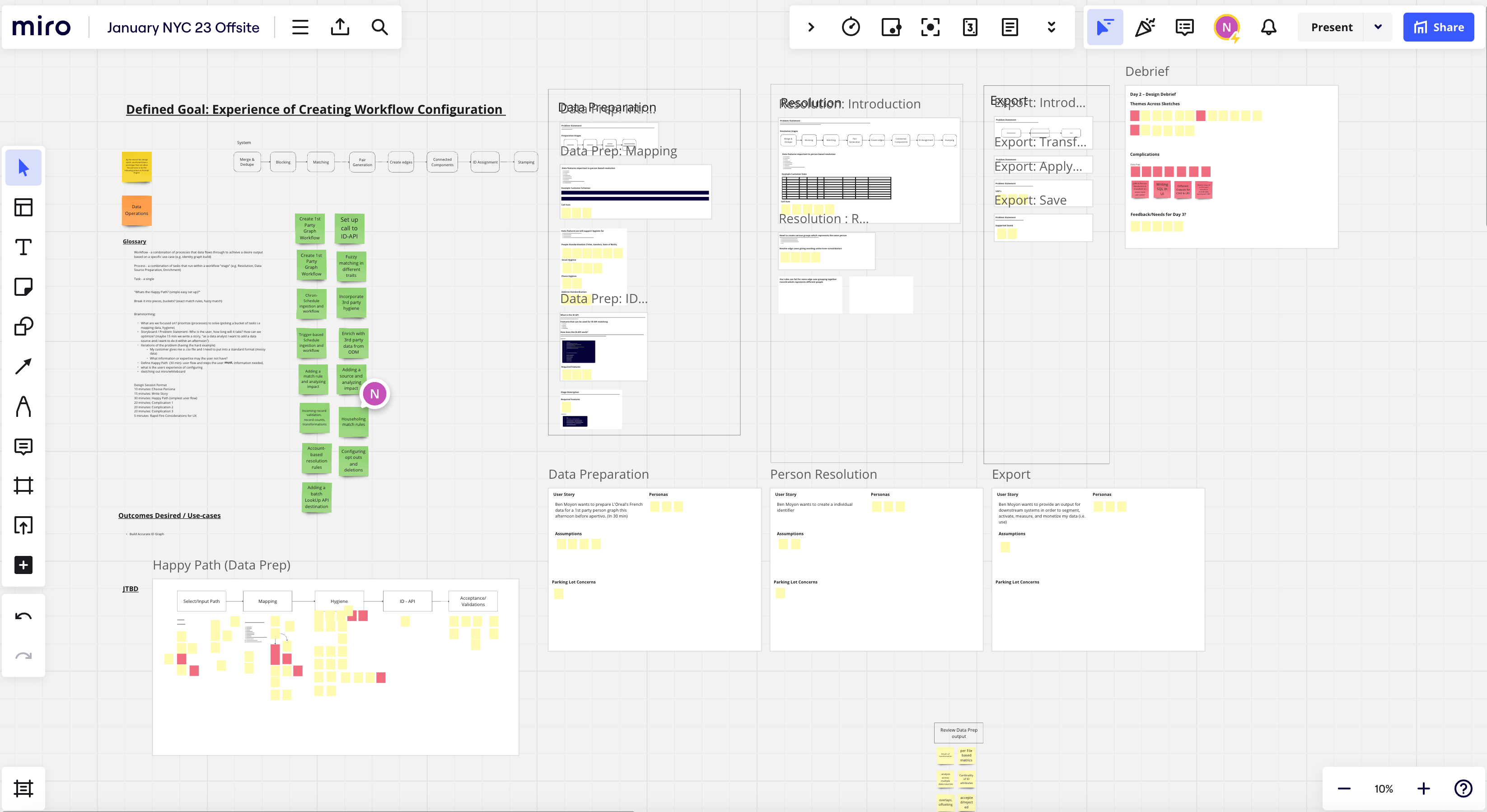
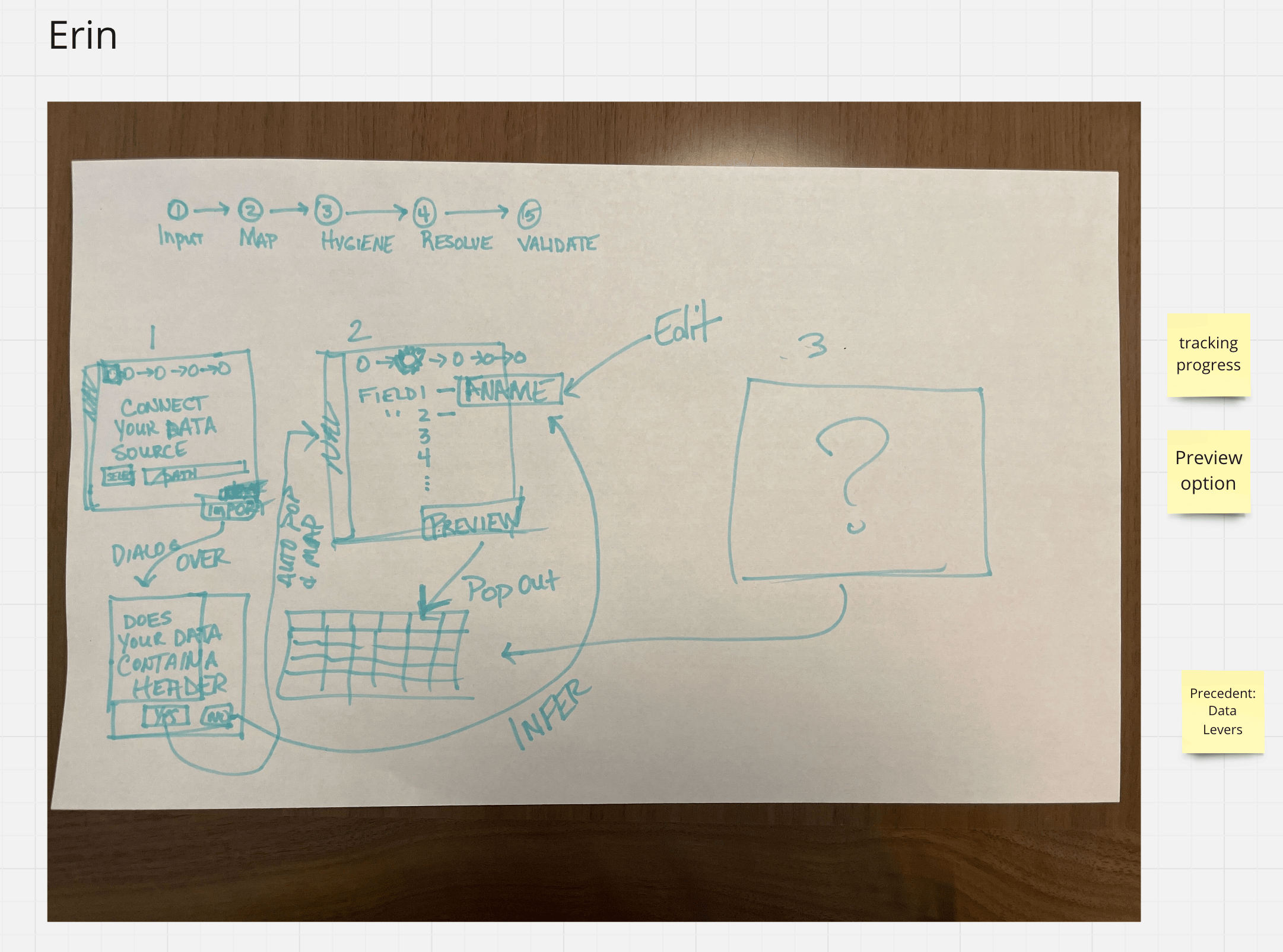
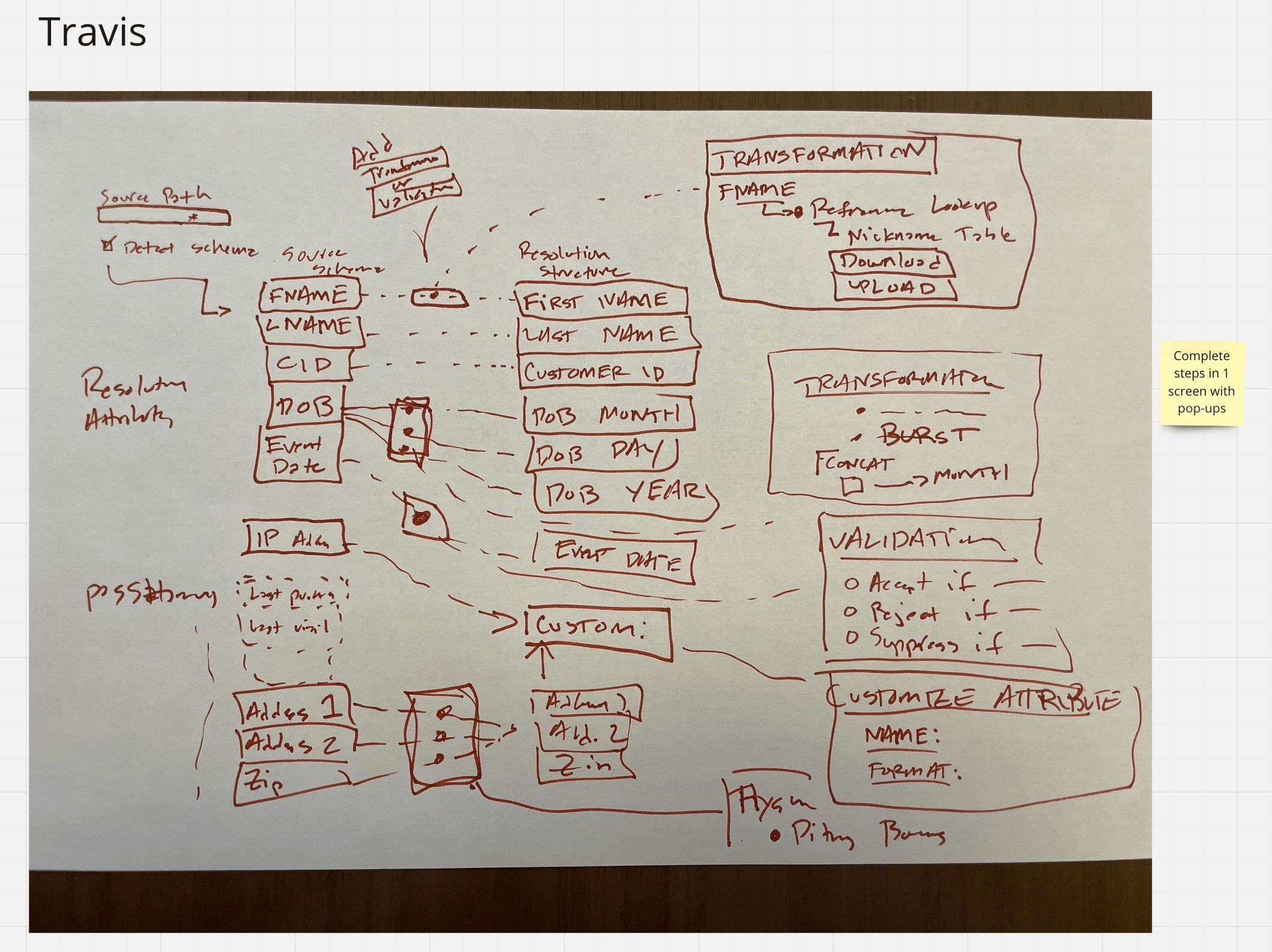
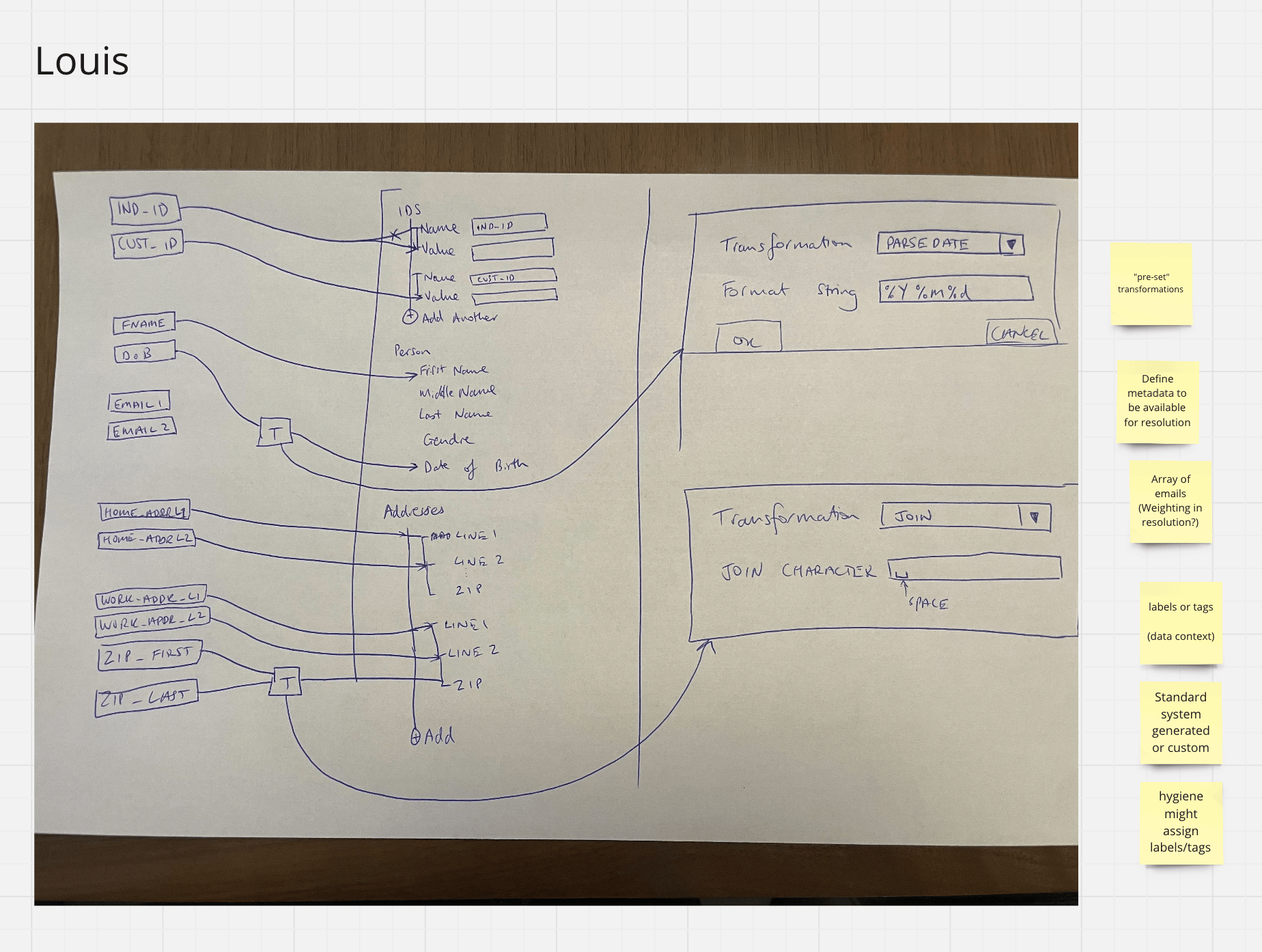

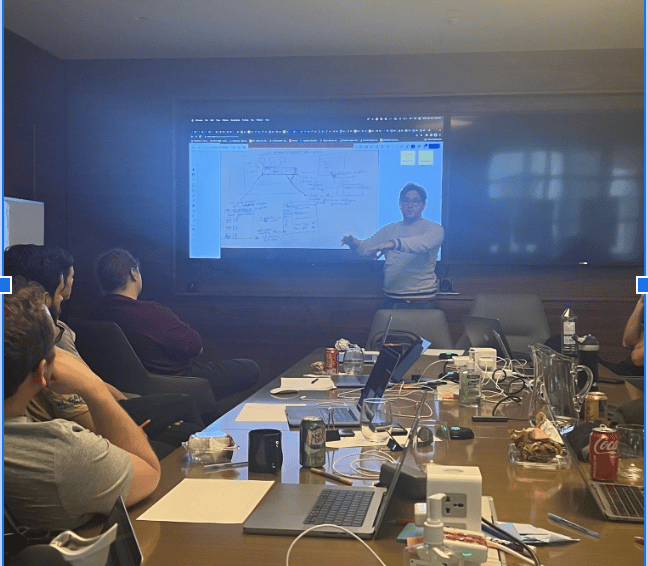
Design Presentation to Stakeholders

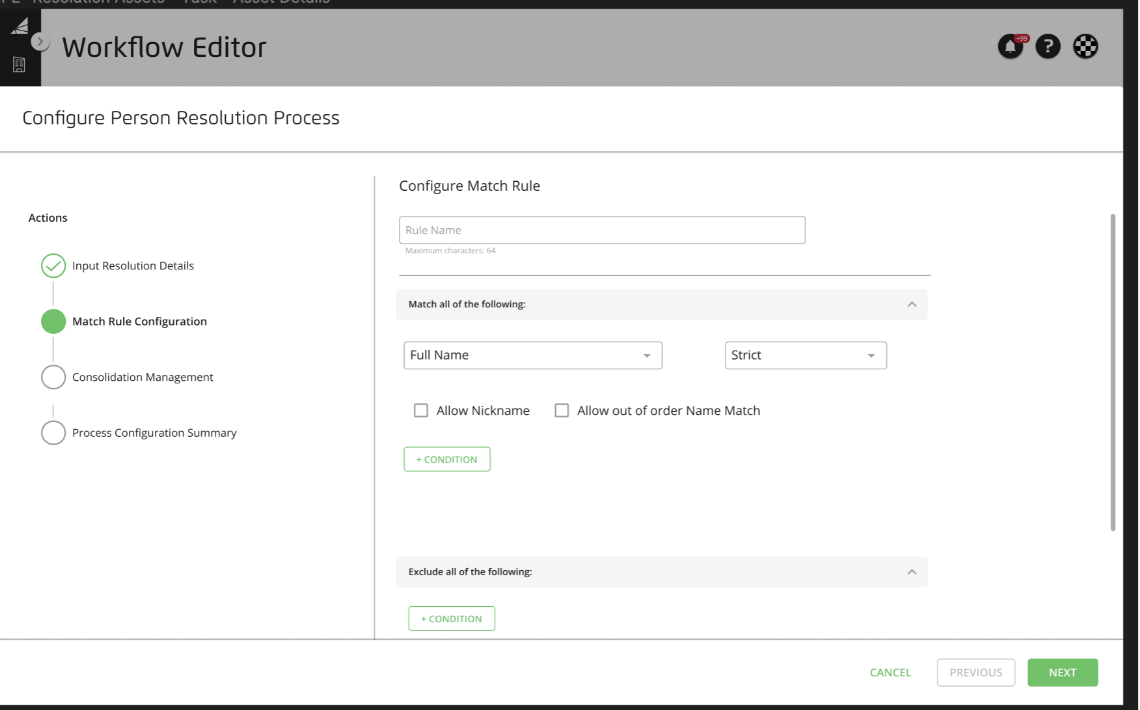
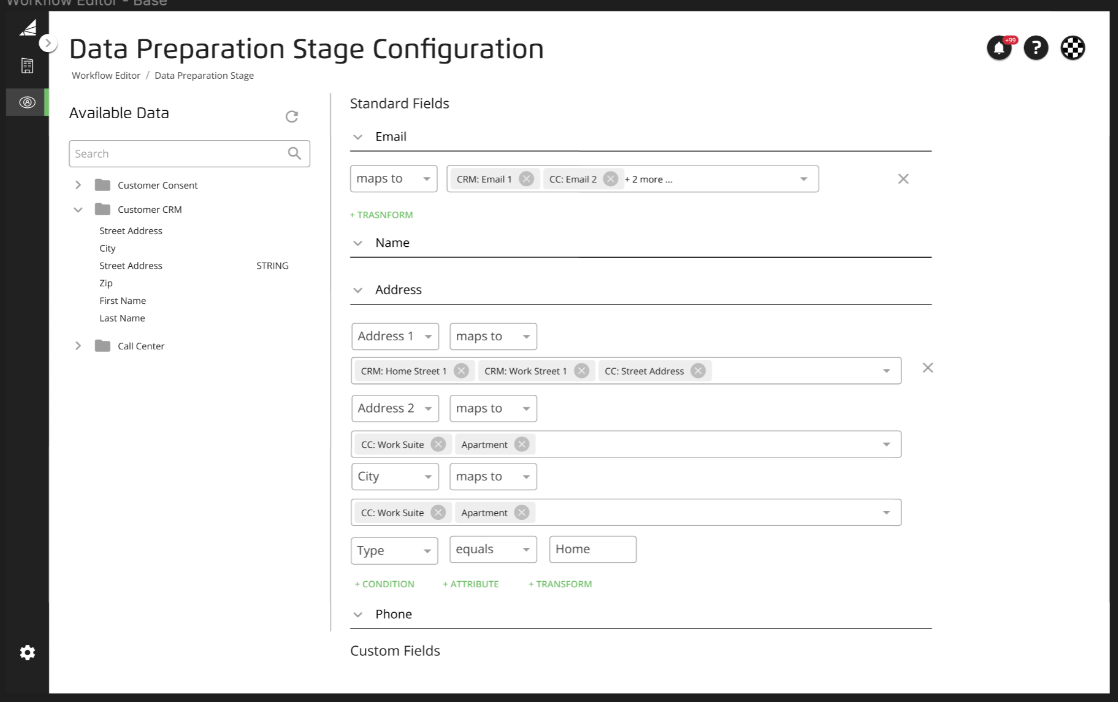
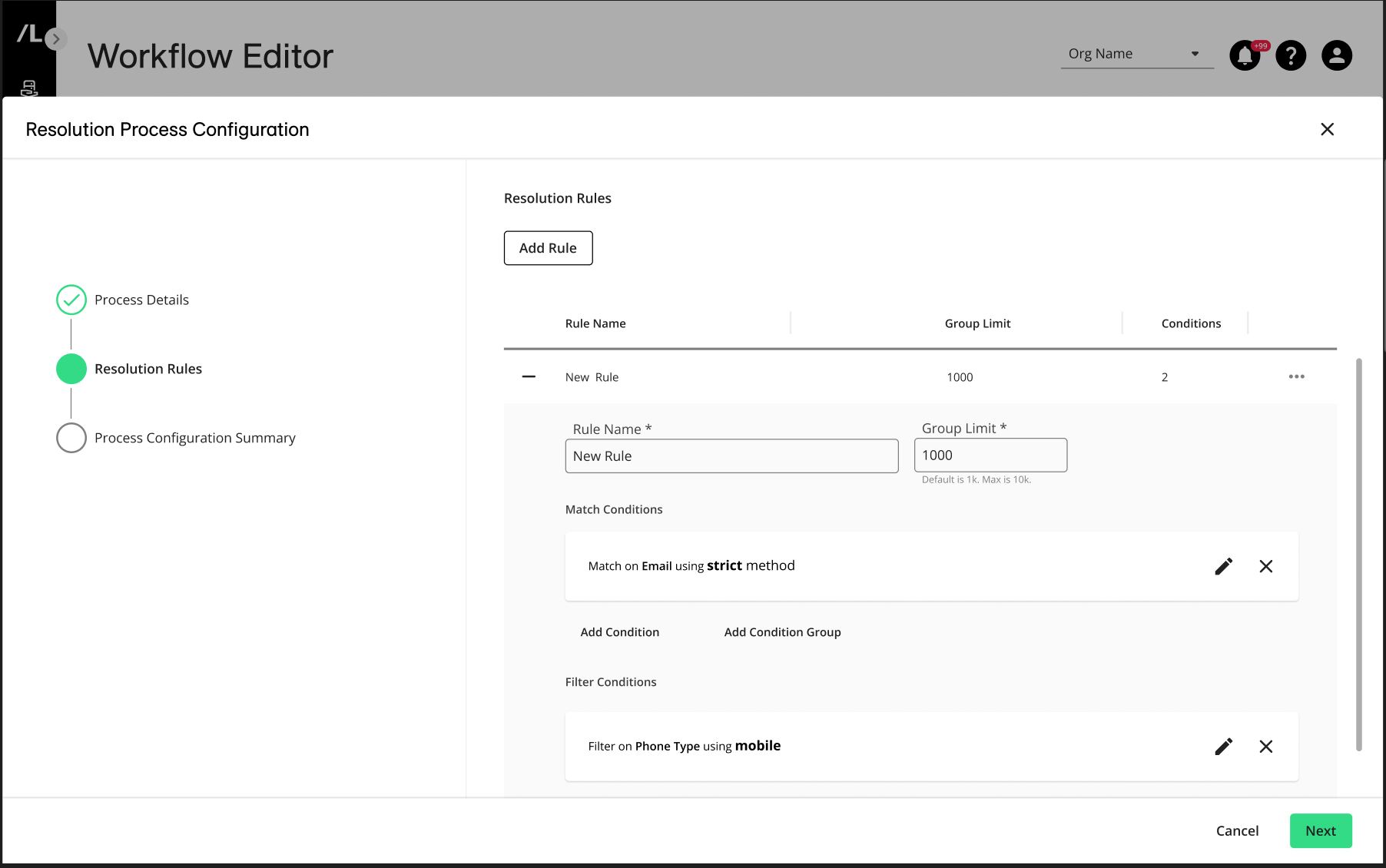
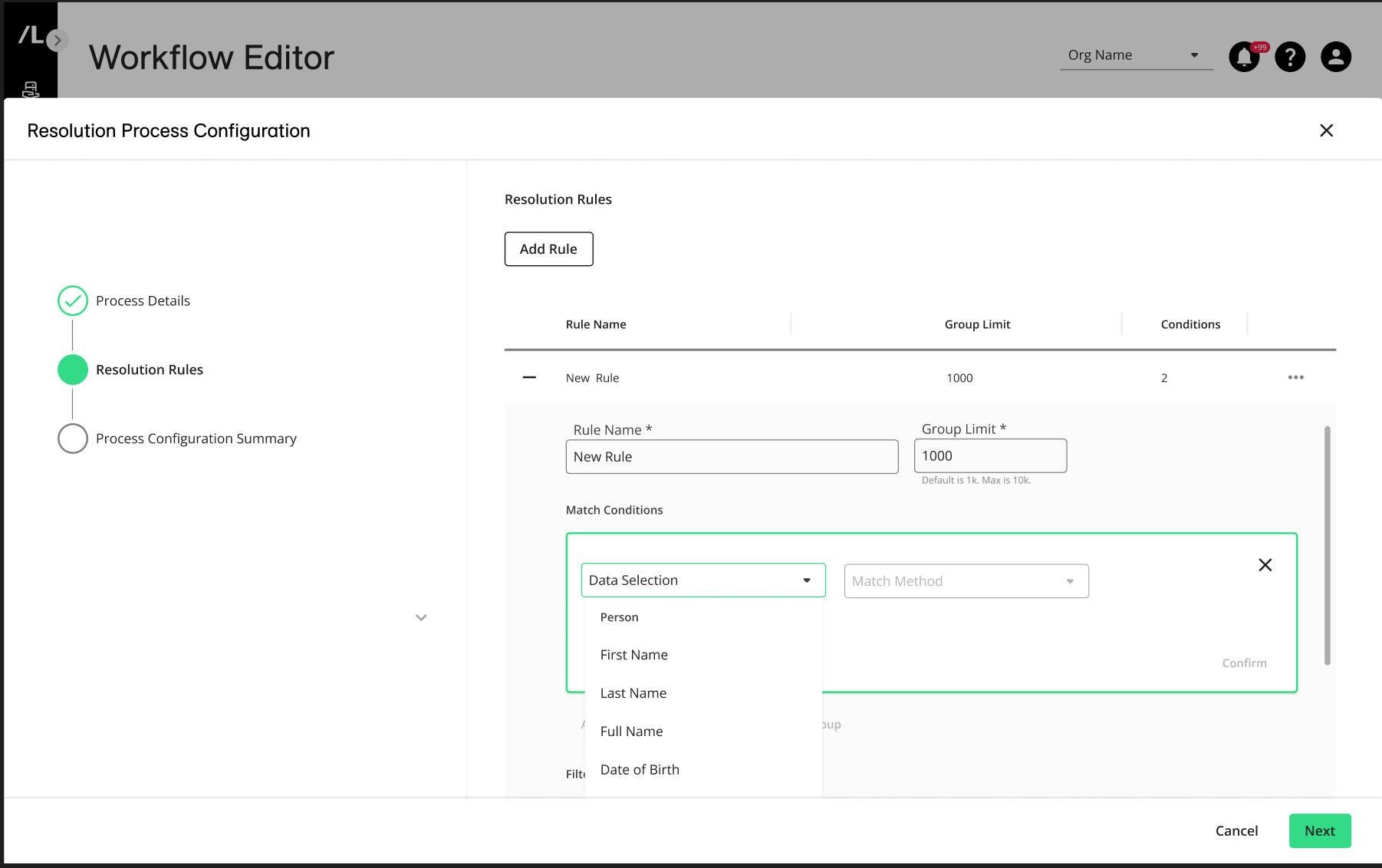
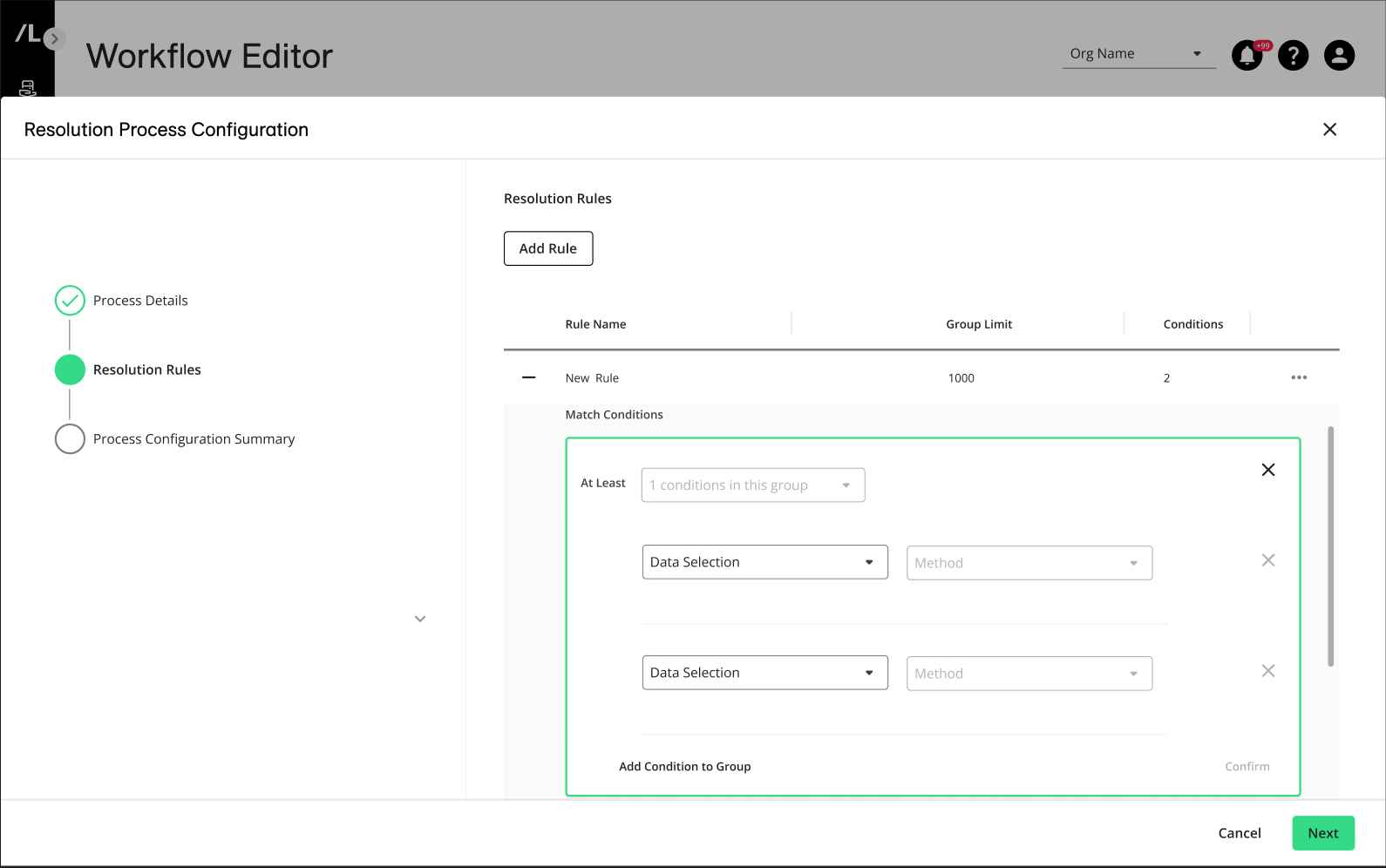
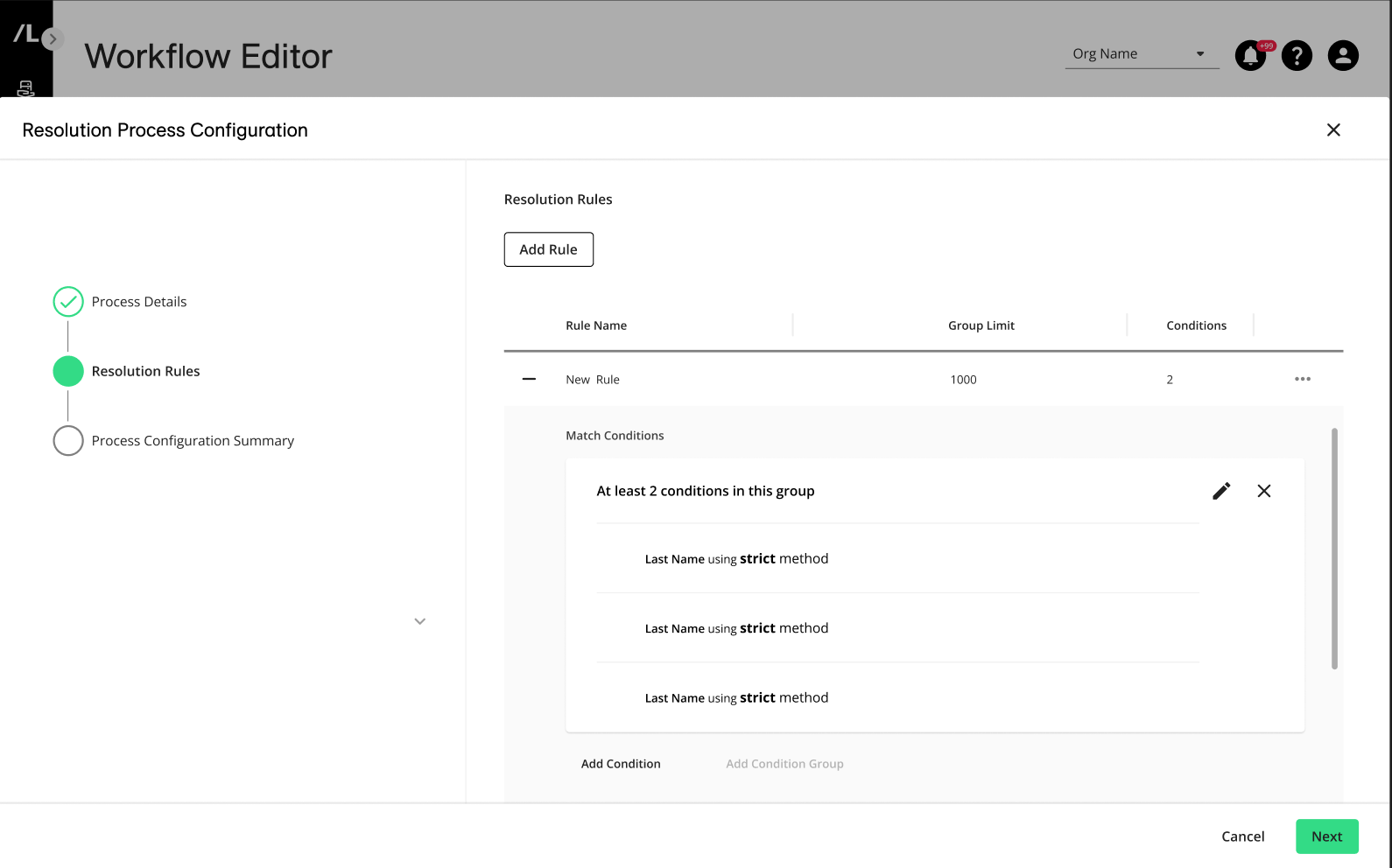
Instead of having to manually input similar rules, we created condition groups that create combinations under the hood. 1 combination condition can represent as many as 28 single conditions.
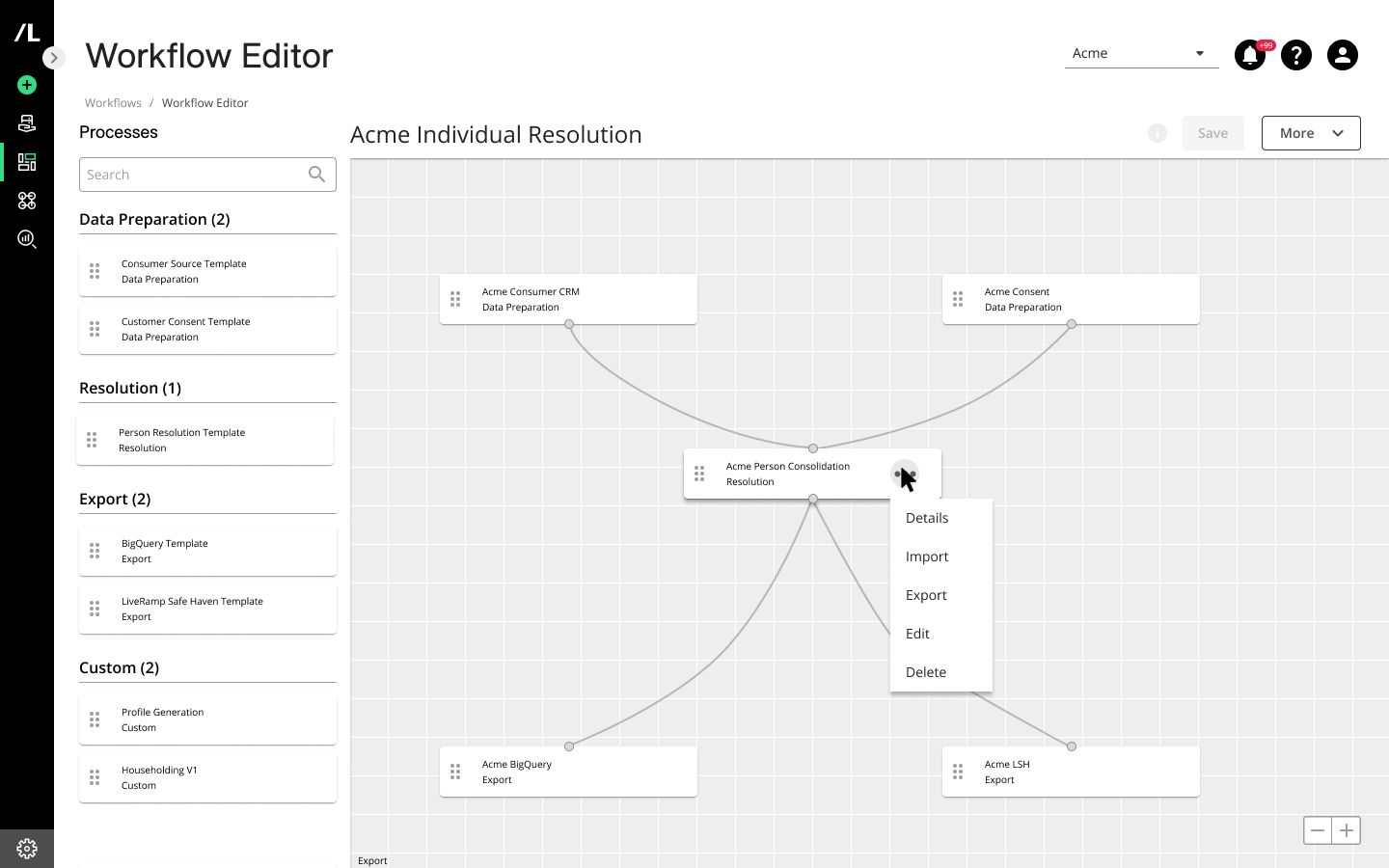
As we scaled the product for various use cases we enabled import/export functionality to accelerate well-defined use-cases.For LiveRamp’s Contact Enrichment offering through the Data Marketplace, this functionality allowed us to turn around match test reports in hours.
Proof of Concept
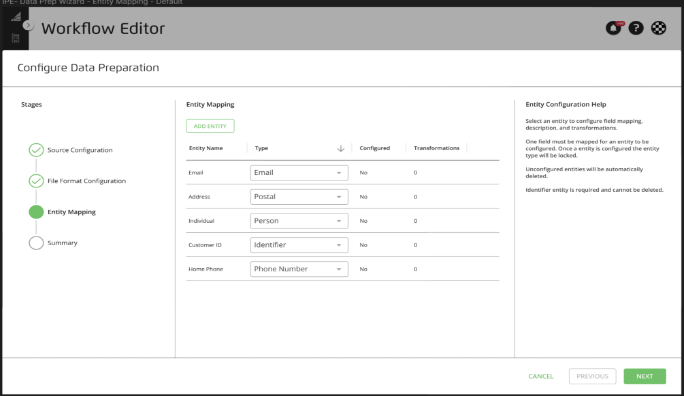
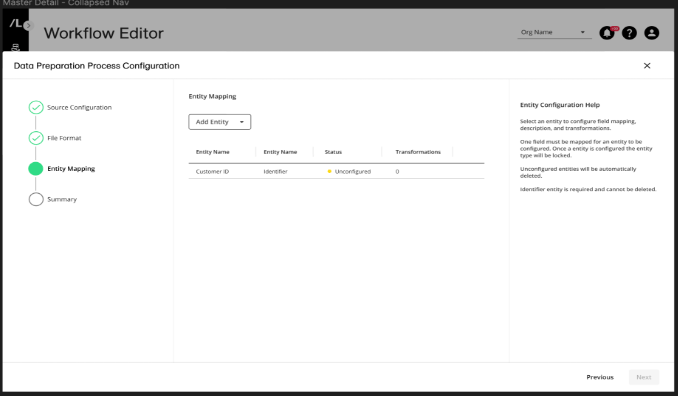
Our team developed a deep-learning model that we trained on LiveRamp’s 3rd party reference graph. In order to quickly get the functionality into the product we utilized the existing pattern, while acknowledging we likely would need to reevaluate the design after our POC
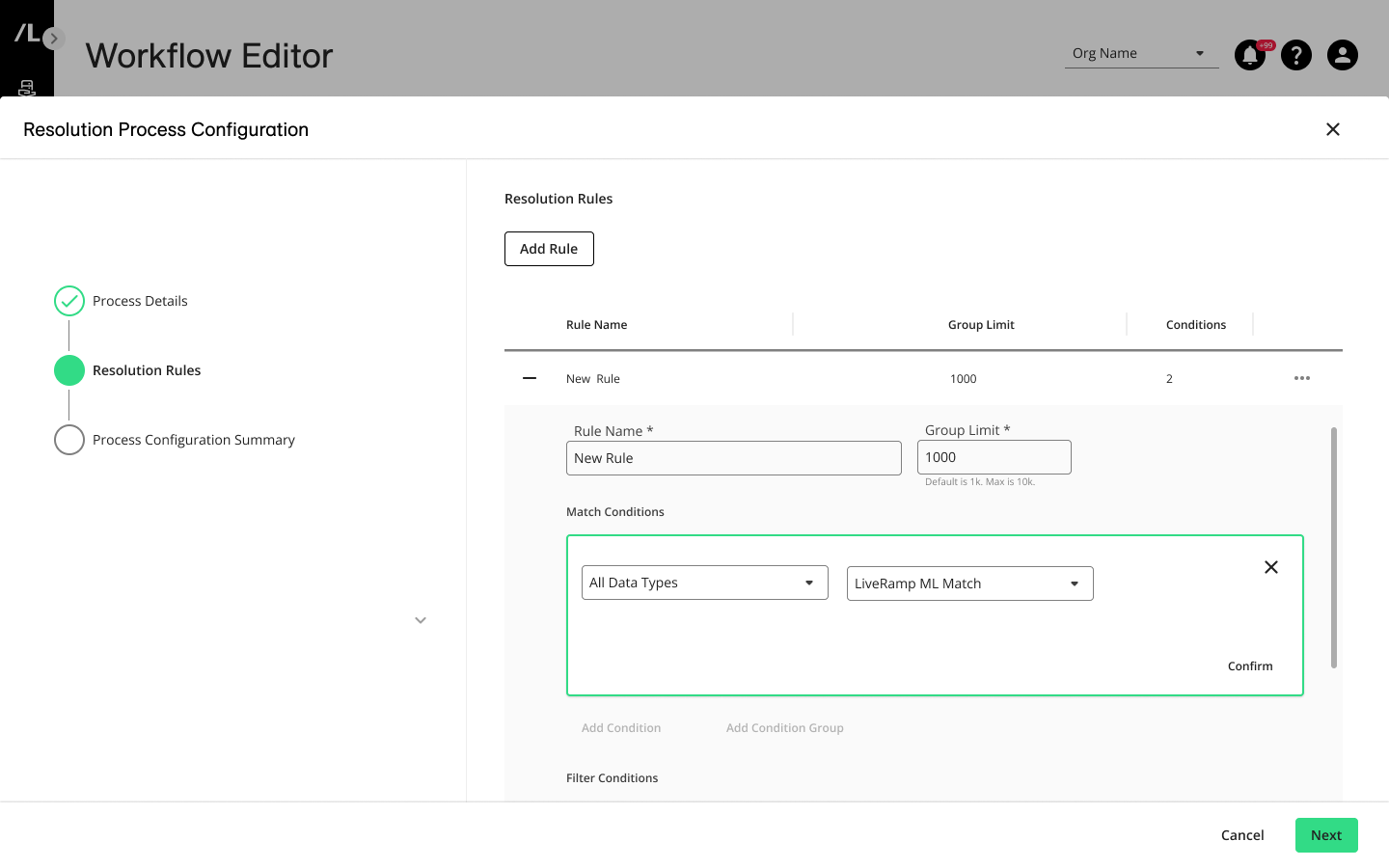
Machine Learning Usability Improvements
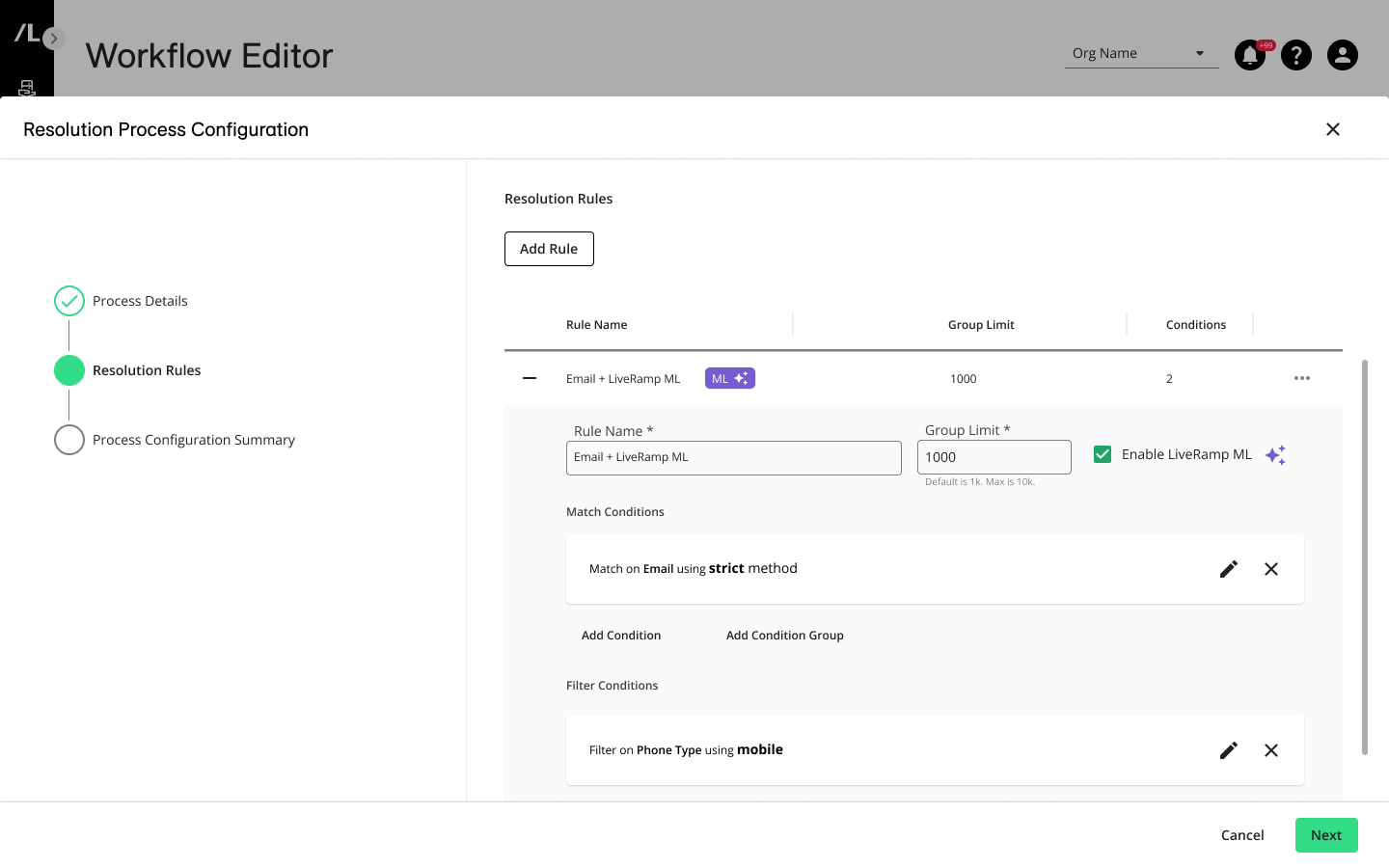
As we utilized the model, we quickly determined that it was most efficient when coupled with deterministic rules.
Making the LiveRamp ML functionality easily accessible and visible highlighted the early availability of this feature.
Summary
A no-code interface using natural language input patterns. This allows users to define resolution rules utilizing mixed methods including deterministic, probabilistic, filtering, and machine learning.
I was the lead designer working with four development teams and three product managers.
Sketching and Presentations
Feedback Driven Iteration
Design Delivery with Auto-Generated Resolution Rules
Rule Combinations
Import/Export Configuration
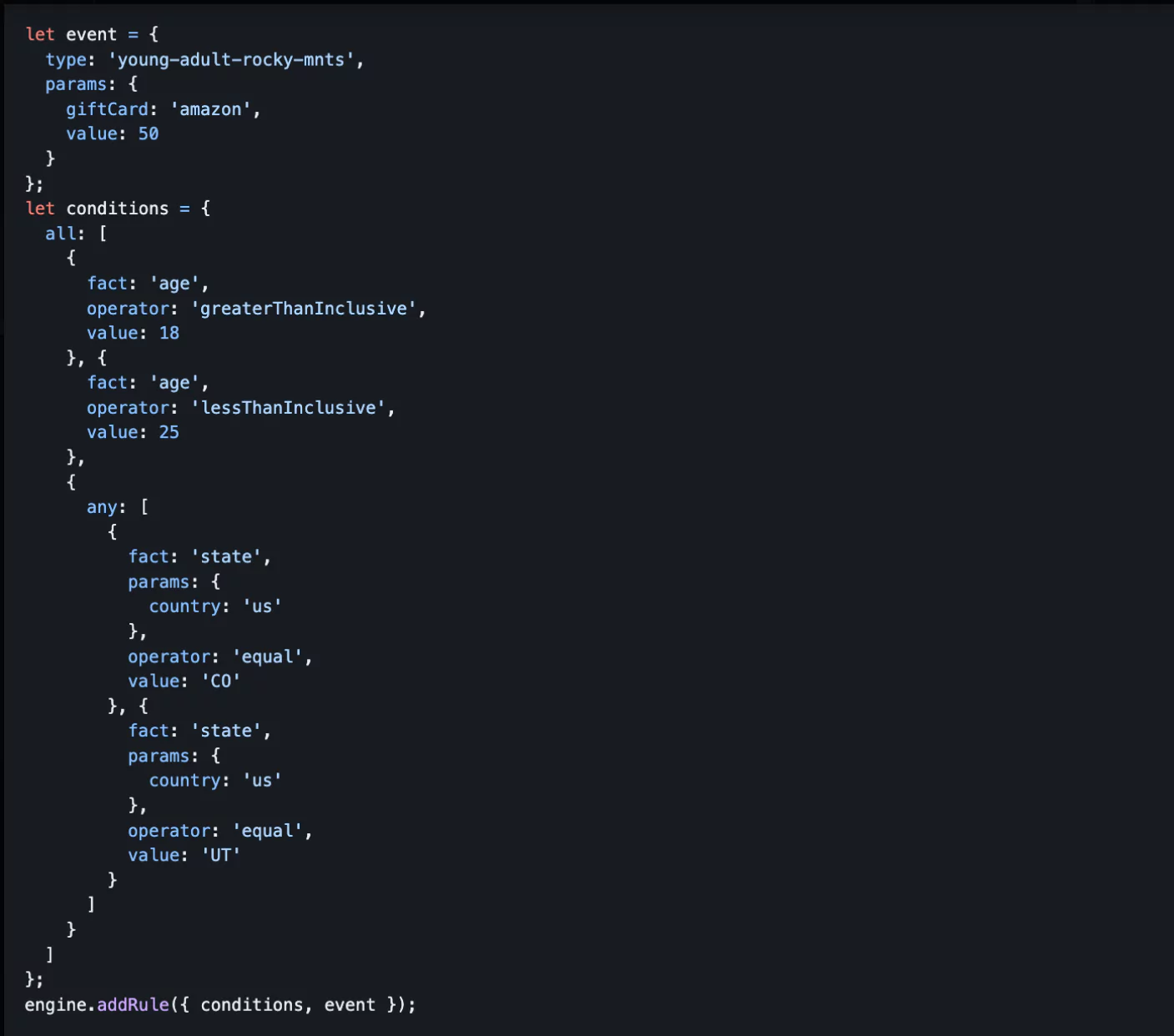
Creating a low/no code experience will make identity resolution more accessible.
Results and Feedback

- Create equivalent outcomes in building a client identity graph but reducing the necessary time frame from three to six months to two weeks.
- 35% increase in non-technical users

Challenge
- I learned to have a flexible mental model on data and how it is used.
- Helps as a designer, because context is extremely important to enabling a user achieve their goals.
- Person-based data is complex.
- The definition on “identity” can be contextual and change often.
- Also, the regulations and rules related to this data are constantly changing. (GDPR, CCPA, etc.)

Learning